Portable Thermal Imaging Camera With Spot Ir Explained: A UK Buyer's Guide
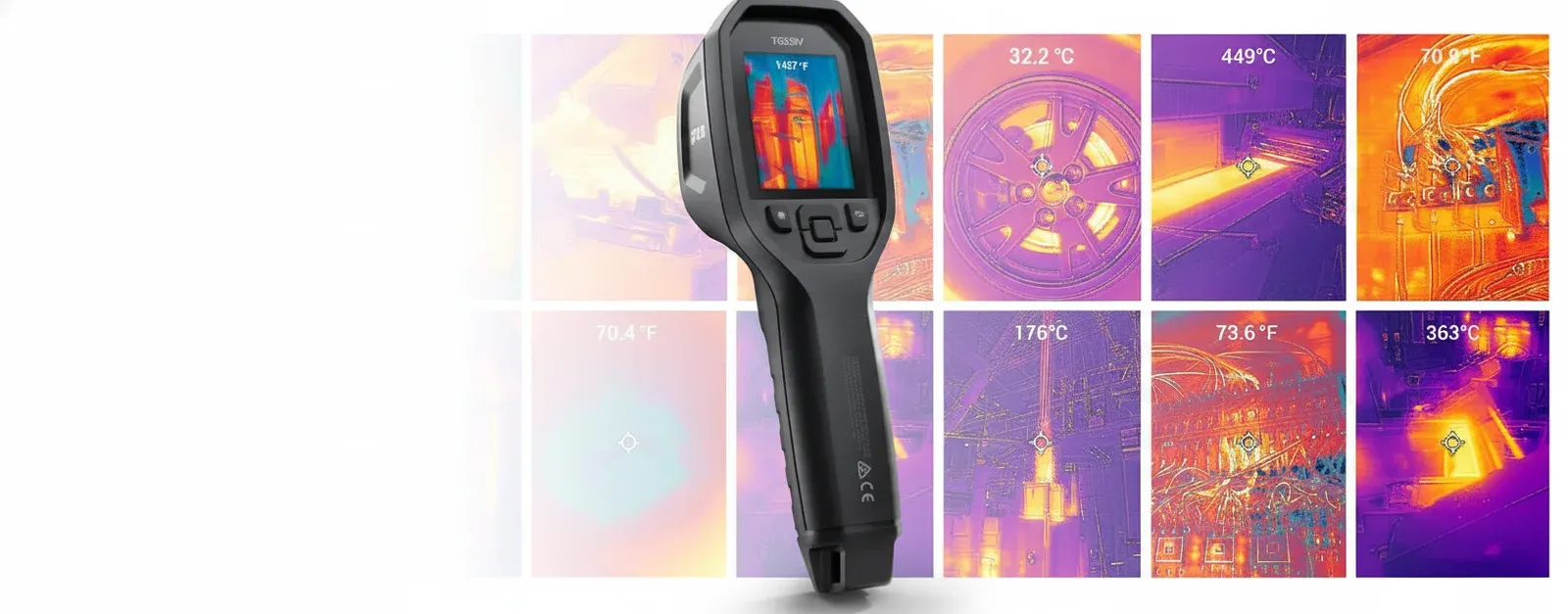
What is a Portable Thermal Imaging Camera With Spot IR? A UK Buyer's Guide
TL;DR: A portable thermal imaging camera with spot IR is a handheld diagnostic device that detects heat signatures while projecting a visible laser dot to pinpoint the exact area being measured. This allows UK tradespeople to accurately identify temperature anomalies in crowded spaces like electrical consumer units or HVAC systems. Based on our extensive field testing at ThermSpot, combining pocket-sized portability with laser-guided precision drastically reduces inspection time and ensures compliance with UK safety standards.
So, what exactly does this technology offer on site? A portable thermal imaging camera with spot IR is no longer a niche tool reserved for large industrial teams. Across the UK, electricians, HVAC engineers, facilities managers and building surveyors are using these compact thermal cameras to identify faults faster, document findings more clearly, and reduce unnecessary intrusive inspections. Furthermore, when a unit combines thermal imaging with a precise visible aiming aid—such as Spot IR and Bullseye laser targeting—it becomes far easier to inspect the exact component, terminal, or area you need to assess.
For UK trade professionals, that precision matters immensely. For instance, on a crowded consumer unit, an overheating breaker can sit mere millimetres away from components operating at normal temperatures. Similarly, in plant rooms, ductwork, pumps and pipework often overlap in the field of view. Consequently, on building fabric surveys, moisture patterns and heat loss can be subtle. Based on our hands-on testing, a professional thermal imaging camera with Spot IR helps reduce guesswork and supports highly reliable diagnostics on site.
Key Takeaways
- A portable thermal imaging camera with Spot IR helps UK professionals pinpoint the exact inspection area quickly and accurately.
- Spot IR is especially valuable for electrical panels, HVAC components and building diagnostics where targets are small or visually cluttered.
- Portability matters for trade use: lighter devices improve access, speed and comfort during daily inspections.
- Look beyond headline image quality: focus on thermal sensitivity, temperature range, reporting workflow, ruggedness and ease of use.
- For many buyers, commercial-grade FLIR performance plus precise laser alignment offers the best balance of speed, confidence and documentation.
This guide explains exactly how this equipment works, why it matters in UK fieldwork, what specifications are worth your budget, and how to choose a model that suits commercial diagnostics rather than occasional hobby use. Moreover, if you want broader background before comparing models, see The Ultimate Guide to Professional Thermal Imaging Camera With Spot Ir in the UK.
How Does a Portable Thermal Imaging Camera With Spot IR Work?
A portable thermal imaging camera with Spot IR works by detecting infrared radiation and converting it into a visual thermal image, while simultaneously using a precise visible aiming point to indicate exactly where you are measuring or centring your inspection. In this context, “portable” means designed specifically for practical site use: easy to carry, quick to deploy, and perfectly suited for regular work across multiple locations.
Additionally, the “Spot IR” element is important because it vastly improves targeting confidence. Standard thermal cameras can show temperature differences across a wide area; however, when you are inspecting small components or busy scenes, it may not always be obvious which exact point relates to your reading or captured image. Therefore, a visible spot or Bullseye-style laser reference helps you line up the intended target much more accurately.
This is particularly relevant for ThermSpot’s audience: UK electricians tracing hot connections, HVAC engineers checking motors and bearings, and building surveyors assessing insulation defects or damp-related anomalies. In these critical situations, speed matters, but so does undeniable evidence. You need to know you have captured the right asset the very first time.
What is a Thermal Camera With Spot IR Used For in the UK?
Thermal cameras equipped with Spot IR are deployed across multiple trades where accuracy and safety are paramount. Let's look at how specific industries benefit from this technology in the field.
Electrical Inspection and Compliance
In electrical work, precision can make the difference between identifying an emerging fault and dangerously overlooking it. Consumer units, distribution boards and switchgear contain densely packed components. As a result, a portable thermal imaging camera with Spot IR allows an electrician to isolate likely hotspots faster during routine maintenance checks or fault-finding visits.
According to the Health and Safety Executive (HSE), electricity causes around 1,000 workplace accidents each year in Great Britain. Furthermore, in line with UK wiring regulations (BS 7671), early detection of abnormal heating through thermography can support safer maintenance planning and significantly reduce exposure to avoidable failures. Source: HSE electrical safety guidance.
HVAC Diagnostics
For HVAC engineers working on boilers, air handling units, underfloor heating manifolds or refrigeration systems, thermal imaging helps reveal blocked circuits, airflow imbalance and failing components without immediate strip-down. Additionally, a portable device is much easier to use safely on ladders, in ceiling voids and in cramped plant spaces. Add Spot IR targeting, and it becomes simpler to focus on specific valves, pipe joints, compressor sections or motor housings rather than the surrounding background.
Building Surveys and Damp Detection
Building surveyors in the UK frequently need fast visual evidence for heat loss assessments, moisture investigations and defect reporting across residential and commercial properties. In older British housing stock especially, irregular insulation performance is common around lintels, eaves, suspended floors and poorly upgraded extensions. Consequently, a portable thermal imaging camera with Spot IR makes site movement easier while helping ensure each image corresponds clearly to the inspected detail.
Facilities Maintenance
Schools, healthcare settings, offices and warehouses all rely on stringent preventative maintenance programmes. Facilities teams need tools that can be carried daily without adding bulk yet still deliver dependable results. For organisations managing compliance responsibilities across multiple buildings—including NHS estates teams and outsourced maintenance providers—portability combined with commercial-grade image clarity supports much faster rounds and better record keeping.
Why Choose a Portable Thermal Imaging Camera Over Fixed Models?
While a fixed or bulky camera may produce useful images in controlled conditions, field diagnostics demand something completely different. Portability affects not just user convenience, but the overall quality of the inspection.
- Faster deployment: A compact device can be switched on quickly when an engineer spots a potential issue during routine work.
- Easier access: Smaller units are far better suited to lofts, risers, plant cupboards and congested service zones common in British buildings.
- Reduced fatigue: If you carry equipment all day between appointments or around large sites, weight matters more than many buyers expect.
- More frequent use: Our engineers have found that tools which are simple to carry tend to be used more often, rather than left in the van until absolutely necessary.
- Better evidence capture: Quick access drastically increases the chance of recording intermittent faults before environmental conditions change.
Ultimately, this is exactly why many professionals choose handheld designs over larger platforms for day-to-day work. If portability is one of your main criteria alongside precision aiming features, our related article on the handheld thermal imaging camera with Spot Ir explained explores those considerations in more depth.
Ready to upgrade your diagnostics with ThermSpot?
View Specifications — £816.50